
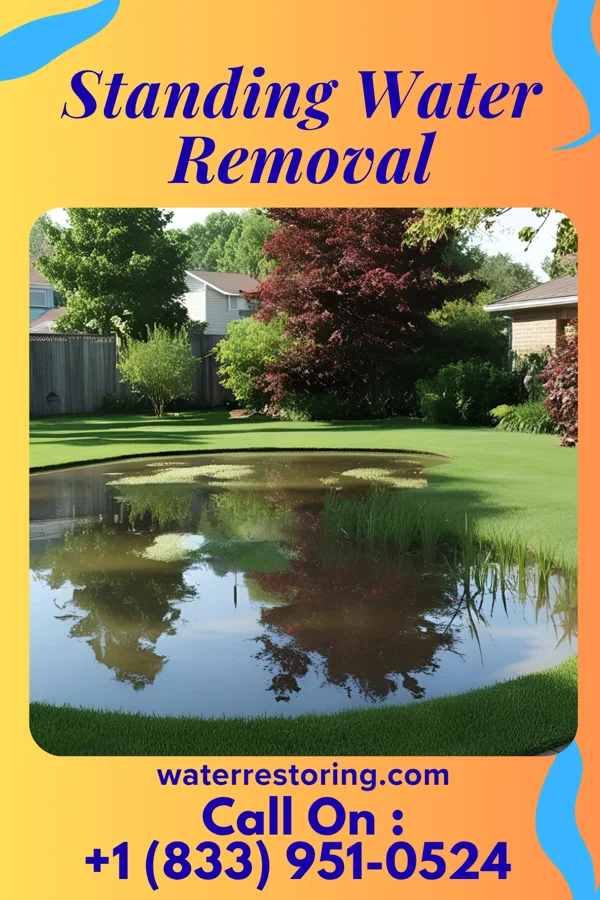
When Bristol Properties Need Standing Water Removal
Water damage in Bristol usually starts with In Bristol, Indiana, primary water damage often stems from burst pipes in older homes and agricultural runoff from nearby farmland, especially during spring thaw. Flooding from Simonton Lake can also impact low-lying areas, leading to sudden water intrusion.. A close second is Secondary causes include leaking roofs from severe weather events and groundwater seepage through porous soil in rural areas. Poor drainage around homes and outdated plumbing systems contribute to recurring water issues.. Professional restoration follows the IICRC protocol on every job. Assess. Extract. Dry. Sanitize. Document.
Bristol experiences a humid continental climate with heavy spring rains and occasional flooding, increasing the risk of water damage. The region's rural setting and proximity to water sources like Simonton Lake heighten vulnerability to seasonal water events.
Water damage in Bristol follows a few local patterns. In Bristol, Indiana, primary water damage often stems from burst pipes in older homes and agricultural runoff from nearby farmland, especially during spring thaw. Flooding from Simonton Lake can also impact low-lying areas, leading to sudden water intrusion. accounts for the bulk of our calls. Bristol experiences a humid continental climate with heavy spring rains and occasional flooding, increasing the risk of water damage. The region's rural setting and proximity to water sources like Simonton Lake heighten vulnerability to seasonal water events. Mold growth in Bristol can occur rapidly due to high humidity and frequent rainfall, especially in older homes with poor insulation. Prompt action is critical to prevent long-term structural damage and health risks.